
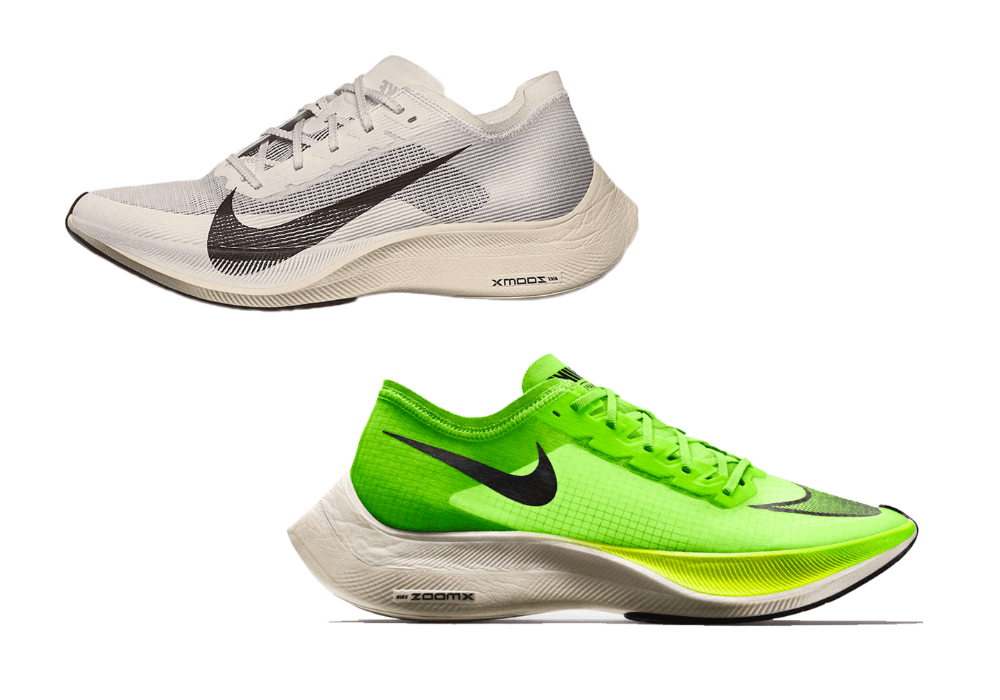
It’s a question that plagues every runner, from the seasoned marathoner to the newbie lacing up for their first 5k: Do those pricey running shoes actually make a difference? We’ve all seen them – sleek, colorful, boasting advanced cushioning and technologies we can barely pronounce. But are they just a clever marketing ploy, or a genuine investment in our running performance and injury prevention?
Breaking Down the Price Tag: What You're Paying For
Let's face it, the price difference between a budget-friendly pair of running shoes and a top-of-the-line model can be significant. It's tempting to assume it's all branding, but there's often more to it than that. Here's a look at some of the factors that contribute to the higher cost: Advanced Materials: Expensive shoes often feature premium materials like lightweight, breathable uppers, durable outsoles designed for specific terrains, and high-performance foams in the midsole. These materials are designed to enhance comfort, improve energy return, and withstand the rigors of regular running. Cheaper shoes typically use less expensive, less durable materials.
Cutting-Edge Technology: Shoe companies are constantly innovating, developing new technologies to improve cushioning, stability, and responsiveness. These innovations, like carbon fiber plates, advanced midsole geometries, and proprietary cushioning systems, add to the cost of the shoe.
Research and Development: Developing new running shoe technology requires significant investment in research, testing, and design. This R&D cost is ultimately reflected in the price of the shoe.
Manufacturing Processes: The manufacturing process for high-end running shoes can be more complex and require more skilled labor, contributing to the higher price. Think about intricate upper designs or specialized sole construction.
Durability: Generally, expensive running shoesshouldlast longer than their cheaper counterparts. The more durable materials used often mean you'll get more miles out of them before they need replacing. This can offset the initial higher cost in the long run.
Do Expensive Shoes Prevent Injuries?
This is a common question, and the answer is nuanced. While expensive shoescancontribute to injury prevention, they're not a guaranteed shield. Here's why: Better Cushioning: Premium cushioning can help absorb impact, reducing stress on your joints and muscles. This is especially beneficial for runners who are prone to impact-related injuries like shin splints or stress fractures.
Improved Stability: Many high-end shoes offer enhanced stability features that can help correct overpronation (when your foot rolls inward excessively) or supination (when your foot rolls outward excessively). This can reduce the risk of ankle sprains and other stability-related injuries.
Personal Fit and Biomechanics: The right shoe, regardless of price, is one that fits your foot properly and complements your natural running biomechanics. Expensive shoes often come in a wider range of sizes and widths, allowing for a more precise fit. However, an ill-fitting expensive shoe can still lead to discomfort or injury.
However, it's crucial to remember that running injuries are often multifactorial. Factors like training volume, running form, strength, and flexibility also play a significant role. Expensive shoes can be a helpful tool, but they're not a substitute for proper training and injury prevention strategies. A runner with poor form will still be susceptible to injuries, regardless of how much they spent on their shoes.
What if I'm on a Budget? Can I Still Find Good Running Shoes?
Absolutely! You don't need to break the bank to find a pair of running shoes that will work for you. Here are some tips for finding good running shoes on a budget: Shop Last Season's Models: Running shoe technology evolves rapidly, but last year's models are often heavily discounted and still offer excellent performance.
Consider Outlet Stores: Nike, Adidas, and other major brands have outlet stores that offer discounted running shoes.
Look for Sales and Promotions: Keep an eye out for sales and promotions at running shoe stores and online retailers.
Read Reviews: Before buying any running shoe, read reviews from other runners to get an idea of its performance and durability.
Prioritize Fit and Comfort: Ultimately, the most important thing is to find a shoe that fits well and feels comfortable on your feet. Don't be swayed by fancy features or marketing hype.
The Importance of Finding the Right Fit
Regardless of your budget, finding the right fit is paramount. A properly fitting shoe can prevent blisters, chafing, and other discomforts that can make running miserable. Here's how to ensure you get the right fit: Get Your Feet Measured: Have your feet measured at a running shoe store, ideally later in the day when your feet are slightly swollen.
Try on Shoes With Running Socks: Wear the same socks you would wear when running to ensure an accurate fit.
Walk and Run Around the Store: Don't just stand there! Walk and even jog around the store to get a feel for the shoe.
Pay Attention to Toe Box Space: You should have at least a thumb's width of space between your longest toe and the end of the shoe.
Listen to Your Body: Trust your instincts. If a shoe feels uncomfortable or pinches in any way, it's not the right shoe for you.
How Often Should I Replace My Running Shoes?
This depends on a few factors, including your running volume, your weight, and the type of shoes you wear. A general guideline is to replace your running shoes every 300-500 miles. However, it's important to pay attention to how your shoes feel. If they feel flat, worn out, or are causing you discomfort, it's time to replace them, even if you haven't reached the mileage limit.
Signs you might need new running shoes:
Visible wear and tear on the outsole or midsole
Loss of cushioning and support
Increased aches and pains after running
The shoe feels less responsive or comfortable than it used to
The Takeaway: It's About Value, Not Just Price
Ultimately, the decision of whether or not expensive running shoes are "worth it" is a personal one. There's no universal answer that applies to everyone. It depends on your individual needs, budget, and priorities. A runner logging serious miles will likely benefit more from the durability and technology of a higher-priced shoe than someone who runs casually a couple of times a week.
Focus on finding the shoe that provides the best fit, comfort, and support foryourfeet and running style. That might mean splurging on a top-of-the-line model, or it might mean finding a hidden gem at a lower price point. Don't get caught up in the hype; prioritize value and performance over price tag. Consider your own running habits and goals, and make an informed decision based on what works best for you. Happy running!