
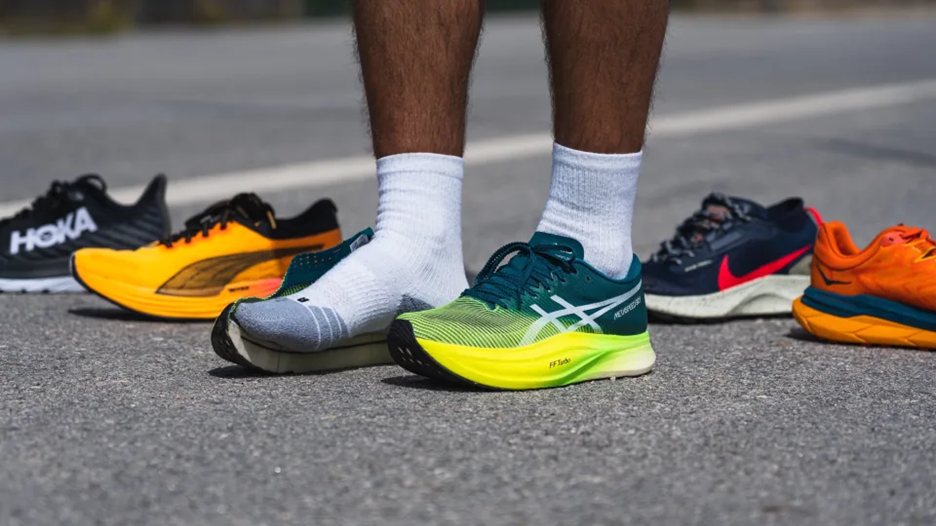
So, you're a runner! Awesome. Whether you're pounding out marathon miles or just enjoy a casual jog around the block, you've probably already figured out that the right shoes make all the difference. But have you ever stopped to think about how much thesurfaceyou're running on impacts your shoe choice? It's more important than you might realize.
The Ground Beneath Your Feet: Why Surface Matters
Think about it: running on soft grass is a completely different experience than running on unforgiving concrete. Each surface presents unique challenges and demands different things from your feet, your legs, and ultimately, your shoes. Ignoring these differences can lead to discomfort, injury, and a less-than-enjoyable run. Choosing footwear designed for the specific terrain can improve performance and reduce stress on your body.
Road Running: Shoes Built for Pavement
Most runners start on the road, and for good reason: it's accessible. Road running shoes are designed for the repetitive impact of hard, flat surfaces. They typically feature:
- Cushioning: Ample cushioning to absorb the shock of each footstrike on the unforgiving pavement.
- Durability: Outsoles made from durable rubber compounds to withstand the wear and tear of the road.
- Flexibility: A degree of flexibility to allow for a natural foot roll.
- Stability (sometimes): Some road shoes offer stability features for runners who overpronate (their feet roll inward excessively).
Consider the type of road running you do. Are you primarily logging easy miles? Look for shoes with maximum cushioning. Doing speed work? A lighter, more responsive shoe might be a better choice. Examples of popular road running shoes include the Brooks Glycerin (known for its plush cushioning), the Saucony Kinvara (a lightweight and versatile option), and the Hoka Clifton (offering a unique, rockered ride).
Trail Running: Conquering the Unpredictable Terrain
Trail running is a different beast entirely. Uneven surfaces, rocks, roots, mud – it demands shoes that can handle it all. Trail shoes are characterized by:
- Aggressive Traction: Deep lugs (the rubber protrusions on the outsole) to grip the trail in various conditions.
- Protection: Reinforced uppers to protect your feet from rocks and debris. Toe bumpers are essential!
- Stability: A wider base and sometimes more rigid midsoles to provide stability on uneven ground.
- Rock Plates: Some trail shoes include rock plates in the midsole to protect your feet from sharp rocks and roots.
When choosing trail shoes, consider the type of trails you'll be running. Are they technical and rocky? Look for shoes with aggressive traction and ample protection. Are they smoother, less demanding trails? A lighter, more flexible trail shoe might be sufficient. Examples include the Salomon Speedcross (known for its aggressive grip), the Hoka Speedgoat (cushioned and capable), and the La Sportiva Bushido II (a more nimble and precise option).
What are the best running shoes for beginners on trails?
If you're new to trail running, prioritize comfort, protection, and a reliable grip. Look for a shoe with moderate cushioning, a sturdy upper, and lugs that aren'ttooaggressive (you don't want to feel like you're running in cleats on smoother sections). Shoes like the Hoka Challenger ATR or the Saucony Peregrine (in its less aggressive iterations) are good starting points. Don't be afraid to try them on and walk around a bit to see how they feel.
Track Running: Speed and Efficiency
Track running is all about speed. Track spikes are the ultimate footwear choice for races, but for training, you'll want something that offers a balance of cushioning and responsiveness. Look for:
- Lightweight Design: Minimal weight to allow for faster turnover.
- Responsive Cushioning: Firm yet responsive cushioning to provide energy return.
- Minimal Heel-to-Toe Drop: A lower heel-to-toe drop (the difference in height between the heel and the toe) can encourage a more natural running form.
- Snug Fit: A secure fit to prevent slippage and maximize efficiency.
Many runners use road racing flats or lightweight trainers for track workouts. These shoes provide enough cushioning for repeated intervals while still allowing for a fast and efficient stride. Examples include the New Balance Fuel Cell Rebel and the Saucony Type A.
Treadmill Running: A Unique Environment
Treadmill running presents a unique set of challenges. The belt provides a consistent, predictable surface, but it also eliminates the variability and ground feel of outdoor running. For treadmill running, comfort and cushioning are key. You don't necessarily need the aggressive traction of a trail shoe, and you might not need the durability of a dedicated road shoe.
A comfortable road shoe is generally a good choice for the treadmill. Look for something with ample cushioning and a breathable upper to keep your feet cool. Some runners prefer minimalist shoes on the treadmill to encourage a more natural running form, but this is a matter of personal preference.
Can I use my road running shoes on a treadmill?
Absolutely! In fact, road running shoes are the most common choice for treadmill running. The consistent, flat surface of the treadmill doesn't require the specialized features of trail shoes. Just make sure your road shoes are comfortable and provide adequate cushioning for the repetitive impact.
Other Surfaces: Grass, Sand, and More
Beyond the common surfaces, you might find yourself running on grass, sand, or other less conventional terrain.
- Grass: Softer than the road, grass can be a good option for recovery runs. Road shoes work fine on dry grass, but trail shoes might be preferable if the grass is wet or uneven.
- Sand: Running on sand is a great workout, but it can be tough on your feet and ankles. Consider using minimalist shoes or even running barefoot (if you're used to it) to strengthen your feet. Be aware of sharp objects hidden in the sand.
How often should I replace my running shoes?
A good rule of thumb is to replace your running shoes every 300-500 miles. However, this can vary depending on your weight, running style, and the type of shoes you're using. Pay attention to how your shoes feel. If they're feeling flat, worn down, or if you're starting to experience aches and pains, it's probably time for a new pair.
Ultimately, the best way to find the right running shoes for a specific surface is to experiment and see what works best for you. Visit a specialty running store, try on different shoes, and talk to the knowledgeable staff. Your feet (and your body) will thank you for it!