
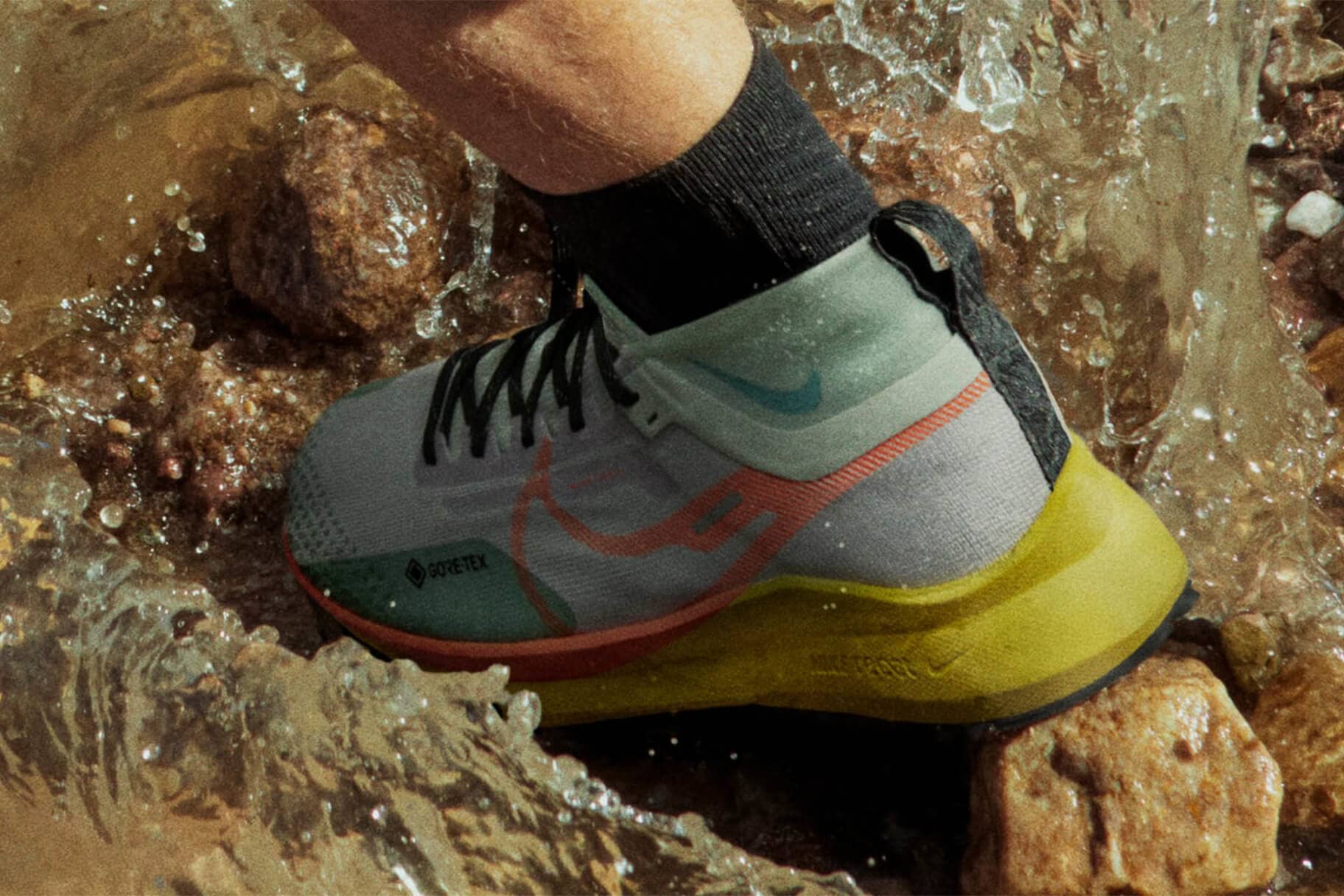
Picture this: You're laced up, ready for your morning run, and it starts to drizzle. Do you turn back, or embrace the elements? If you've been pondering whether to invest in running footwear designed to repel water, you’re in the right place. Running in wet conditions can be a drag, literally and figuratively. But is waterproofing the magical solution?
The Upside of Dry Feet (and Shoes)
Let's be honest, nobody likes squishy socks. The primary benefit of water-resistant or waterproof running shoes is simple: keeping your feet dry. This not only increases comfort, which can significantly improve your running experience, but it also helps prevent blisters. Constant moisture softens the skin on your feet, making it far more susceptible to friction and, consequently, those dreaded blisters.
Beyond comfort and blister prevention, there's the temperature factor. Cold, wet feet can quickly lead to feeling chilled, especially during winter runs. Waterproofing can provide a crucial layer of insulation, helping to maintain a more consistent foot temperature. This is particularly important if you're running in areas with snow or ice, where hypothermia is a real concern.
Finally, consider the lifespan of your regular running shoes. Repeated exposure to water and mud can degrade the materials faster, causing them to break down sooner. Waterproofing can offer a degree of protection, potentially extending the life of your footwear – although this isn't always a guarantee.
The Downside: Breathability and Other Considerations
Now for the not-so-sunny side. The main trade-off with waterproof running shoes is breathability. The very membrane that keeps water out also restricts airflow. This can lead to your feet becoming hot and sweaty inside the shoe, even if it's raining outside. That trapped moisture can be almost as bad as external water in terms of blister risk and overall discomfort. Imagine running in a plastic bag – that's the extreme version, but it illustrates the point.
Another factor is cost. Waterproof running shoes typically come with a higher price tag than their non-waterproof counterparts. You're paying for that specialized membrane and the extra manufacturing process. So, you need to weigh the benefits against the additional expense.
Weight can also be a concern. Waterproofing materials often add a bit of extra weight to the shoe. While it might not seem like much, even a few extra ounces can make a difference over longer distances, potentially impacting your performance and increasing fatigue.
Finally, no shoe is truly 100% waterproof. Water can still enter through the ankle opening, especially if you're running through deep puddles or in heavy rain. And once water gets inside, it can be even harder to get out, as the waterproof membrane prevents it from draining easily.
Are waterproof running shoes good for plantar fasciitis?
This is a common question, and the short answer is: not directly. Waterproofing itself doesn't have any specific impact on plantar fasciitis. The key factors for plantar fasciitis are proper arch support, cushioning, and overall shoe stability. However, if wet conditions exacerbate your plantar fasciitis symptoms (perhaps due to changes in your gait or increased foot fatigue), then keeping your feet dry with waterproof shoesmightindirectly help. Focus on shoes designed for support and cushioning first and consider waterproofing as a secondary factor if needed.
When Are They Really Worth It?
So, when do the pros outweigh the cons? Here are some scenarios where waterproof running shoes are a worthwhile investment:
- Consistent Wet Conditions: If you live in an area with frequent rain, snow, or generally damp conditions, waterproofing is a huge plus. Think Pacific Northwest, the UK, or anywhere with notoriously wet winters.
- Trail Running in Muddy Terrain: If your runs frequently take you off-road and into muddy or boggy areas, waterproof shoes can be invaluable for keeping your feet dry and comfortable.
- Cold Weather Running: As mentioned earlier, waterproofing provides an extra layer of insulation in cold weather, making it a good choice for winter running in snowy or icy conditions.
- Specific Medical Conditions: If you have a medical condition that makes you particularly susceptible to foot problems caused by moisture (like athlete's foot or certain types of eczema), keeping your feet dry is crucial.
Consider these use cases carefully. If you primarily run on dry pavement, waterproofing may not be necessary and you might be better off with a more breathable shoe.
How do I care for waterproof running shoes?
Proper care is essential to maintain the effectiveness and extend the lifespan of your waterproof running shoes. First, avoid using a washing machine. The harsh detergents and tumbling action can damage the waterproof membrane. Instead, hand wash them with a mild soap and water. Use a soft brush to remove any dirt or mud.
After washing, allow your shoes to air dry completely. Stuffing them with newspaper can help absorb moisture from the inside. Avoid placing them in direct sunlight or near a heat source, as this can damage the materials. You can also use a waterproofing spray specifically designed for running shoes to replenish the water-repellent finish over time.
Finally, regularly remove the insoles to allow them to air out. This helps prevent the build-up of moisture and bacteria inside the shoe.
Alternatives to Full Waterproofing
If you're not quite ready to commit to full-on waterproof running shoes, there are other options to consider. Water-resistant shoes offer some protection from light rain and splashes, while still maintaining better breathability than fully waterproof models. These can be a good compromise for runners who experience occasional wet conditions but don't need heavy-duty waterproofing.
Another option is to use waterproof socks. These socks are designed to keep your feet dry even when your shoes get wet. They can be a good alternative for runners who want the flexibility of wearing their regular running shoes in wet conditions. However, waterproof socks can also trap moisture and make your feet feel hot and sweaty, so they're not a perfect solution either.
You can also treat your existing running shoes with a water-repellent spray. While this won't make them fully waterproof, it can provide some protection from light rain and splashes. Just be sure to choose a spray that's specifically designed for running shoes and follow the manufacturer's instructions carefully.
What are the best waterproof running shoes for winter?
When choosing waterproof running shoes for winter, look for models with good insulation and traction. Shoes with a lugged outsole provide better grip on snow and ice. Also, consider shoes with a higher ankle collar to prevent snow from entering. Some popular options include models from brands like Salomon, Hoka, and Brooks, which often offer winter-specific versions of their running shoes with added waterproofing and insulation.
Making the Right Choice for You
Ultimately, the decision of whether or not to buy running shoes built to withstand water depends on your individual needs and preferences. There's no one-size-fits-all answer. Carefully consider the type of running you do, the climate you live in, and your personal tolerance for wet feet. Weigh the benefits of dry feet against the potential drawbacks of reduced breathability and increased cost. Do your research, read reviews, and try on different models before making a purchase. The goal is to find shoes that will help you enjoy your runs, rain or shine (or snow!).