
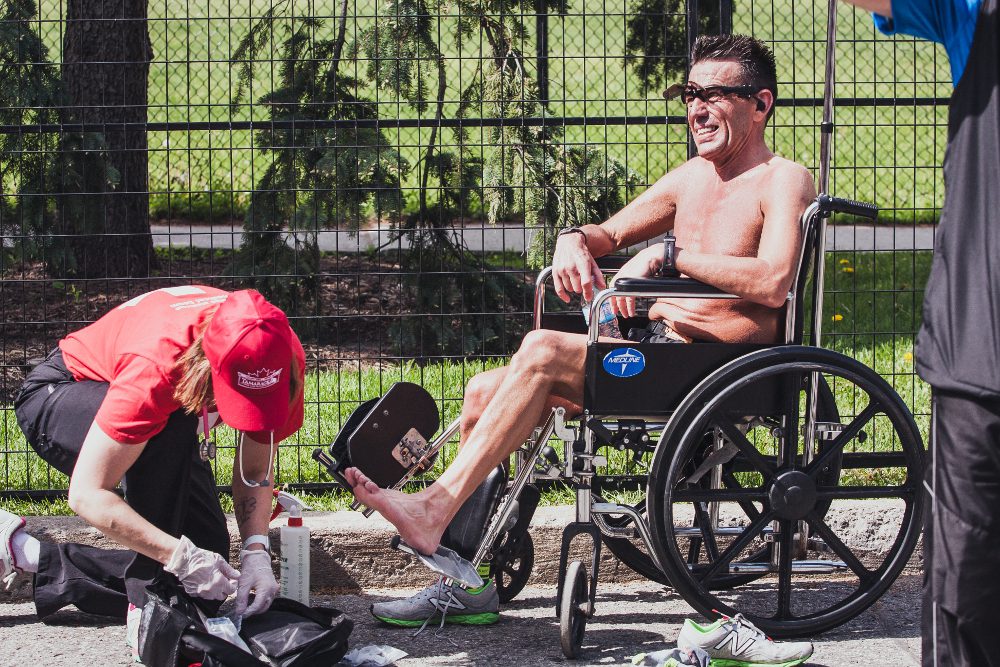
Ugh, blisters. Just the word makes me cringe. As a runner, I’ve spent more time than I care to admit battling those little pockets of pain. And honestly, there's almost nothing worse than being miles from home with a blister forming on your heel or toes. We've all been there, right? So, what can you do when those trusty running shoes turn against you and start causing problems? Let's dive in.
Blisters and Running Shoes: A Common Problem
It's a cruel irony: you invest in quality running shoes for comfort and performance, only to have them betray you with painful blisters. The truth is, even the most expensive and well-reviewed shoes can cause blisters for some people. Understanding why is the first step to prevention and treatment.
Essentially, blisters are caused by friction. Repetitive rubbing between your foot, your sock, and your shoe irritates the skin, leading to fluid buildup and that telltale bubble. This friction can be amplified by several factors:
- Poor Fit: This is a big one. Shoes that are too tight, too loose, or have pressure points in certain areas are prime blister culprits.
- Moisture: Sweat is a major contributor to friction. Wet socks and shoes create a breeding ground for blisters.
- New Shoes: Brand-new shoes often need a break-in period. The materials can be stiff and unforgiving until they soften up.
- Foot Shape and Gait: Everyone's feet are unique. What works for one runner might be a blister-inducing nightmare for another. Your gait and foot strike also play a role.
- Socks: The wrong socks can ruin even the best shoes. Cotton socks, in particular, tend to absorb moisture and create friction.
Why are blisters forming under my toes?
Blisters under the toes are often caused by a few key issues. Shoes that are too tight in the toe box can compress the toes, creating friction. Also, if your toes are constantly sliding forward in your shoe (perhaps because the shoe is slightly too big or the laces aren’t tight enough), this can cause rubbing on the underside of the toes.
Another, often overlooked, culprit is sock thickness. If your socks are too thin, they may not provide enough cushioning and protection, leading to blisters. Conversely, if they’re too thick, they can make the shoe feel too tight, creating pressure and friction. Examine your socks for any seams or areas that might be rubbing against your toes.
Immediate Action: Dealing with a Blister Mid-Run
Okay, so you feel that familiar hot spot developing. What do you do right now, when you're still on your run?
- Stop! As tempting as it is to push through, ignoring a hot spot is a recipe for a full-blown blister. The sooner you address it, the better.
- Assess the Situation: Is it just a hot spot, or is a blister already forming?
- Address the Friction: This is key. If you have blister-specific bandages (like Compeed) with you, apply one immediately. If not, try to reduce friction with what you have. This might involve adjusting your socks, tightening your laces (if the shoe is too loose and causing movement), or loosening them (if the shoe is too tight and causing pressure).
- Get Creative (If Needed): If you don't have bandages, improvise. A piece of duct tape (if you happen to have some!) can work as a temporary barrier. Even a folded piece of paper towel can provide some cushioning.
- Adjust Your Run: Depending on the severity, you might need to shorten your run or even walk back. It's better to be safe than to end up with a debilitating blister.
Long-Term Solutions: Preventing Blisters for Good
While dealing with a blister mid-run is important, the real goal is to prevent them from happening in the first place. Here's a comprehensive approach:
- Shoe Fit is Paramount: Get properly fitted for running shoes at a specialty running store. Don't just guess your size. A good salesperson will analyze your gait, foot shape, and running style to recommend the best shoes for you. Be honest about any problem areas you've experienced in the past.
- The Thumb's Rule: There should be about a thumb's width of space between your longest toe and the end of the shoe.
- Try Before You Buy: Walk and even jog around the store in the shoes before committing. Pay attention to any areas that feel tight, loose, or rub uncomfortably.
- Consider Different Lacing Techniques: Experiment with different lacing patterns to relieve pressure points. For example, if you have a high instep, try skipping a lace hole in that area. If your heel slips, try the "heel lock" lacing technique.
- Sock Strategies: Invest in quality running socks made from synthetic materials like nylon, polyester, or merino wool. These materials wick away moisture and reduce friction. Avoid cotton socks at all costs!
What type of socks are best to prevent blisters?
As mentioned, steer clear of cotton. Look for socks made from synthetic materials (nylon, polyester) or merino wool. These wick moisture away from your skin, keeping your feet drier and reducing friction. Consider sock thickness – thicker socks offer more cushioning, but can make shoes feel tighter. Experiment to find what works best for you. Also, seamless socks are generally better, as they eliminate potential rubbing points.
- Moisture-Wicking Powders and Lubes: Consider using foot powders or anti-chafing balms (like Body Glide or Squirrel's Nut Butter) in areas prone to blisters. These products can help reduce friction and keep your feet dry.
- Break in New Shoes Gradually: Don't wear new shoes for a long run right away. Start with shorter runs and gradually increase the distance to allow your feet to adjust and the shoes to soften.
- Address Foot Abnormalities: If you have flat feet, high arches, or other foot abnormalities, consider using orthotics or shoe inserts to provide better support and alignment. This can help reduce pressure points and prevent blisters.
- Preemptive Bandaging: If you know you're prone to blisters in certain areas, apply blister-specific bandages (like Compeed) before your run as a preventative measure.
Treating Existing Blisters: Don'ts and Dos
So, despite your best efforts, a blister has formed. Now what? The key is to treat it properly to prevent infection and promote healing.
- Don't Pop It (Unless You Absolutely Have To): Intact skin provides a natural barrier against infection. If the blister is small and not causing significant pain, leave it alone.
- If You Must Pop It: If the blister is large, painful, or likely to rupture on its own, you may need to drain it. But do it carefully:
- Wash Your Hands: Thoroughly wash your hands with soap and water.
- Sterilize a Needle: Sterilize a needle with rubbing alcohol or by holding it over a flame.
- Puncture the Blister: Gently puncture the blister in a few places near the edge.
- Drain the Fluid: Gently press out the fluid with a clean gauze pad.
- Leave the Skin Intact: Do not remove the skin covering the blister. This will help protect the underlying tissue and prevent infection.
- Apply Antibiotic Ointment: Apply a thin layer of antibiotic ointment to the area.
- Cover with a Bandage: Cover the blister with a sterile bandage or blister-specific bandage.
- Keep It Clean: Change the bandage daily and keep the area clean and dry.
- Watch for Signs of Infection: Redness, swelling, pus, or increased pain are signs of infection. If you notice any of these, see a doctor.
- Allow It to Heal: Avoid running on the blister until it has fully healed. This may mean taking a few days off or cross-training.
Should I use a donut-shaped pad around my blister?
Using a donut-shaped pad around a blister can be a good idea, especially for blisters on weight-bearing areas like the heel or ball of the foot. The donut shape helps to redistribute pressure away from the blister itself, reducing friction and allowing it to heal. Make sure the pad is thick enough to effectively offload the pressure, and that it's securely in place so it doesn't shift around and cause more irritation.
Ultimately, dealing with blisters is part of the running experience for many of us. By understanding the causes, taking preventative measures, and treating blisters properly, you can minimize their impact and keep running comfortably. It's a journey of finding what works best for your feet, in your shoes, with your gait. So, pay attention to your feet, listen to your body, and don't be afraid to experiment. Happy running!