
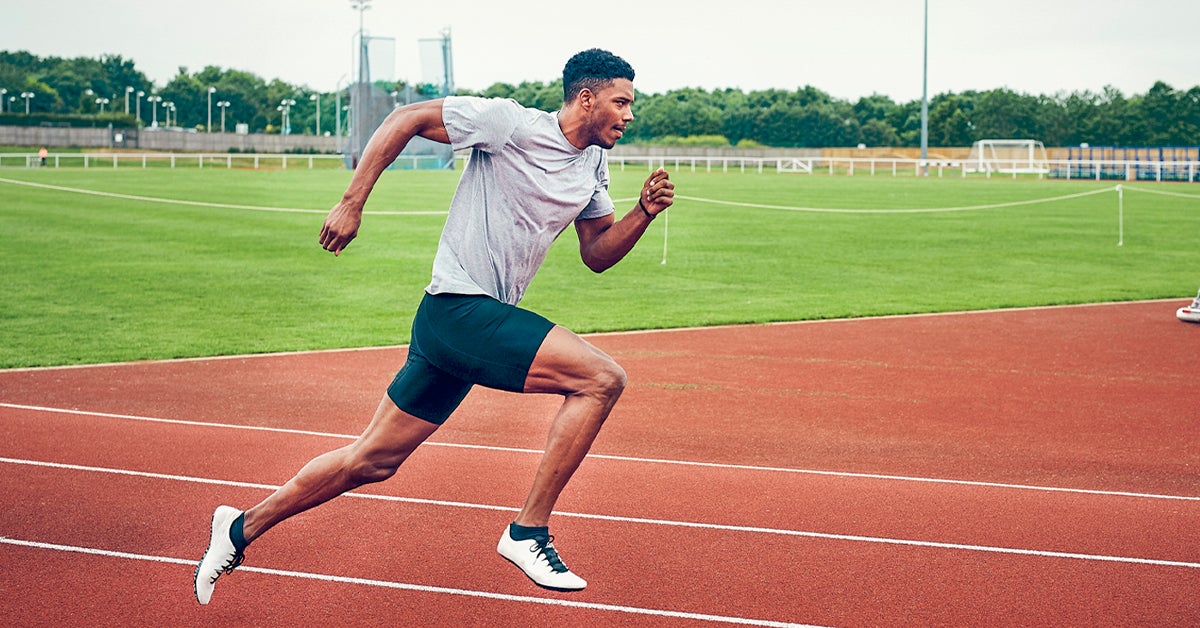
We've all been there. You finally find thatperfectpair of running shoes. They feel great, look awesome, and you’re crushing your personal bests. But then, reality hits. How long will they actually last? It feels like a waste to replace them every few months, right? The good news is, with a little bit of care, you can significantly extend the life of your beloved running shoes and keep them performing at their best.
Simple Habits for Happier Shoes
Think of your running shoes like your car. You wouldn't just drive it into the ground without changing the oil or checking the tire pressure, would you? The same principle applies here. Consistent, simple habits are the key to longevity.
Untie Those Laces! Yes, it's tempting to just kick them off, especially after a long run. But forcing your foot in and out of tied laces stretches the shoe's opening, damages the heel counter (that supportive piece at the back), and generally accelerates wear and tear. Taking the extra few seconds to untie and re-tie your shoes each time makes a surprisingly big difference.
Loosen, Don't Yank: When you do untie your laces, don't just yank them to loosen them. This puts stress on the eyelets and can eventually cause them to tear. Instead, gently loosen each section of the laces, starting from the bottom.
Air Them Out: Moisture is the enemy. After each run, remove the insoles and let your shoes air out completely. This prevents the growth of bacteria and fungi (which cause odors and can degrade the shoe's materials) and allows the cushioning to fully recover. Stuffing them with newspaper can also help absorb moisture and maintain their shape.
Rotate Your Shoes: This is perhaps the most effective tip for extending shoe life, but also requires the biggest investment up front. Having two pairs of running shoes and alternating between them gives each pair a chance to fully decompress and recover. The cushioning in running shoes loses its responsiveness over time, and rotating allows it to bounce back more effectively. Plus, it’s great to have a backup pair in case one gets soaked or muddy!
Use Shoe Trees (Sometimes): Shoe trees are great for maintaining the shape of your shoes, especially if you live in a humid environment. Cedar shoe trees are particularly beneficial as they absorb moisture and have natural anti-bacterial properties. However, be careful not to use shoe trees that are too large, as they can stretch the shoe out of shape.
Cleaning Your Running Shoes the Right Way
Keeping your shoes clean isn’t just about aesthetics. Dirt and grime can actually break down the materials in your shoes over time, especially the midsole cushioning. But resist the urge to toss them in the washing machine!
Hand Wash Only: Washing machines can be too harsh on running shoes. The tumbling action and heat can damage the adhesives that hold the shoe together, as well as warp the midsole and outsole. Instead, use a mild soap (like dish soap) and a soft brush to gently clean the shoes by hand.
Rinse Thoroughly: Make sure to rinse all the soap off your shoes after cleaning. Soap residue can attract dirt and cause the materials to break down more quickly.
Air Dry, Away from Direct Heat: Never put your running shoes in the dryer! The high heat can cause the materials to shrink, warp, and crack. Instead, let them air dry in a well-ventilated area, away from direct sunlight or a heat source. Stuffing them with newspaper helps to absorb moisture and speed up the drying process.
Dealing with Mud: If your shoes are covered in mud, let the mud dry completely before trying to clean them. Once the mud is dry, you can brush it off more easily without grinding it into the shoe's fabric.
How often should you clean your running shoes?
This depends on how often you run and the conditions you run in. If you run on roads in dry weather, you might only need to clean your shoes every few weeks. However, if you run on trails or in muddy conditions, you should clean them after every run.
Understanding Your Shoe's Lifespan
Even with the best care, running shoes don't last forever. The midsole cushioning eventually loses its responsiveness, which can increase your risk of injury. So how do you know when it's time for a new pair?
Mileage Matters: A general guideline is to replace your running shoes every 300-500 miles. However, this is just an estimate. The actual lifespan of your shoes depends on several factors, including your weight, running style, and the type of terrain you run on.
Pay Attention to Feel: Don't just rely on mileage. Pay attention to how your shoes feel. If they feel flat, unresponsive, or you start to notice new aches and pains after running, it's probably time for a replacement. Look for visible signs of wear, such as excessive creasing in the midsole, worn-down tread, or tears in the upper.
Compare to a New Pair: If you're unsure whether your shoes need replacing, try comparing them to a new pair of the same model. You'll likely notice a significant difference in cushioning and responsiveness.
What are the signs my running shoes need replacing?
Beyond the mileage guideline, here are some concrete indicators your running shoes have reached the end of their life:
- Visible wear and tear on the outsole (the bottom of the shoe)
- Creases or wrinkles in the midsole (the cushioning layer)
- Loss of cushioning or support
- Increased aches and pains after running
- Changes in your running gait
Remember, it's always better to replace your shoes sooner rather than later to prevent injuries.
Storage Matters Too!
Proper storage is often overlooked, but it can significantly impact the lifespan of your running shoes.
Avoid Extreme Temperatures: Don't leave your shoes in a hot car or a freezing garage. Extreme temperatures can damage the materials and adhesives in your shoes.
Keep Them Out of Direct Sunlight: Prolonged exposure to sunlight can cause the colors to fade and the materials to degrade.
Store Them in a Dry, Well-Ventilated Area: As mentioned earlier, moisture is the enemy. Store your shoes in a dry, well-ventilated area to prevent the growth of bacteria and fungi.
Use the Original Box (If Possible): The original box is designed to protect your shoes from dust and damage. If you don't have the original box, you can store them in a shoe bag or a breathable container.
Can I use my old running shoes for walking?
Generally, it's not recommended to use worn-out running shoes for walking. While they might still feel comfortable for short walks, the lack of cushioning and support can increase your risk of injury, especially if you're walking long distances. However, you can repurpose them for activities that don't involve high impact, such as gardening or doing errands.
Taking care of your running shoes might seem like a lot of effort, but it’s an investment that pays off in the long run. Not only will you save money by not having to replace your shoes as often, but you'll also reduce your risk of injury and enjoy your runs even more. Think about the miles you put on them, the adventures you share – a little TLC goes a long way in keeping those faithful companions going strong. What small change can you maketodayto show your running shoes some love?