
```html
The Best Sneakers for Pounding the Pavement: Our 2025 Recommendations
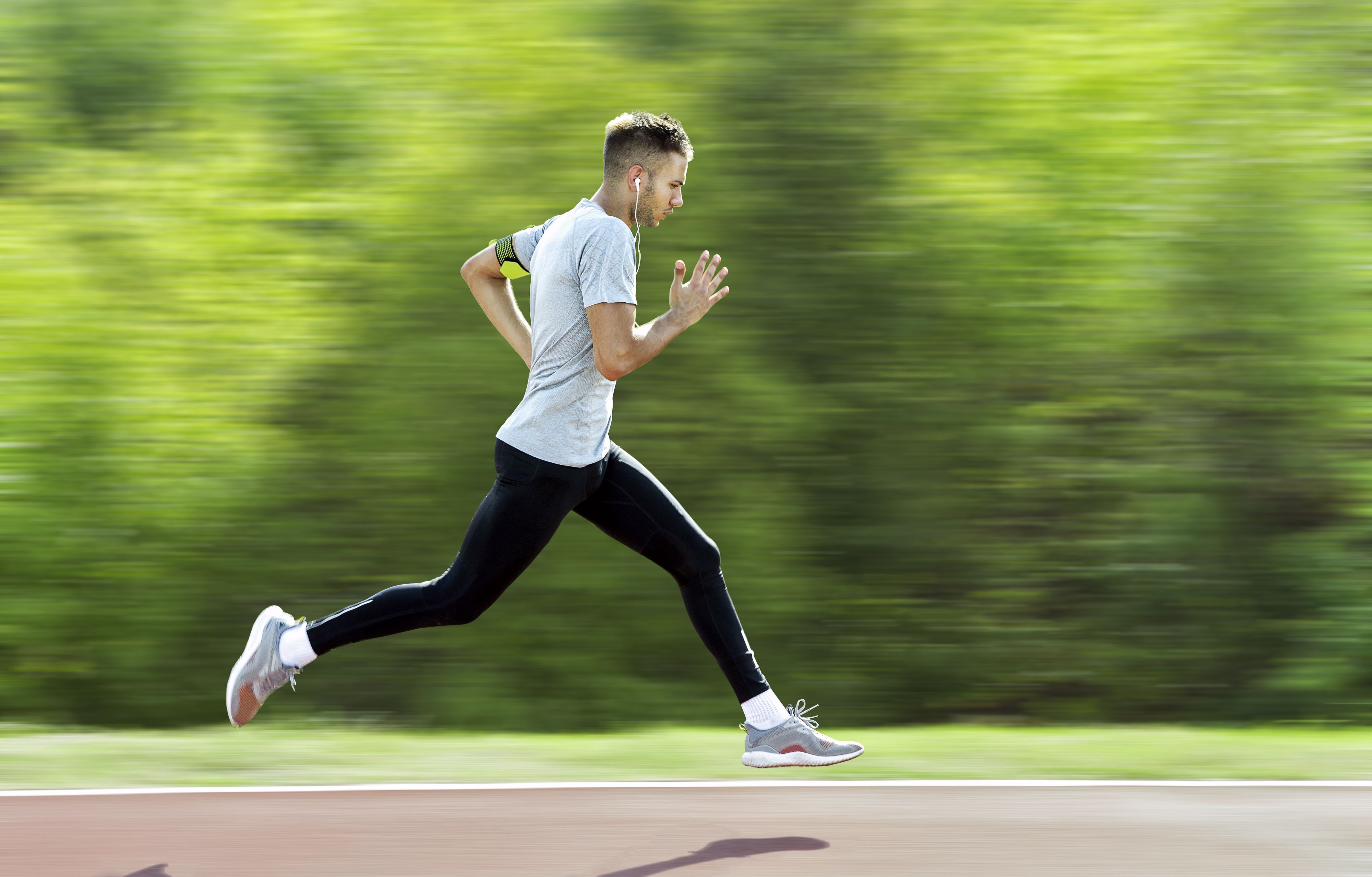
So, you're a sidewalk runner? Welcome to the club! We know the joys (and the jarring) of logging miles on concrete. Forget those idyllic trail running photos – we’re talking about the real world: sidewalks, pavement, maybe even a little unexpected urban obstacle course. And that means you need the right footwear to protect your feet and keep you comfortable.
What Makes a Great Sidewalk Running Shoe?
Sidewalk running presents a unique set of challenges compared to softer surfaces like trails or tracks. The hard, unforgiving nature of concrete demands a shoe that prioritizes cushioning, durability, and a smooth ride. Here's a breakdown of the key features to look for:
- Cushioning: This is your primary defense against impact. Look for shoes with ample midsole cushioning. We're talking about materials like EVA foam, TPU-based foams, or proprietary blends designed to absorb shock and return energy.
- Durability: Sidewalks are abrasive! Your shoe's outsole needs to be tough enough to withstand the constant friction. Rubber compounds, especially those reinforced with carbon or other durable materials, are essential.
- Stability: Uneven surfaces are common on sidewalks. You want a shoe that provides good stability to help prevent ankle rolls and other injuries. Look for features like wider platforms, supportive midsoles, and secure heel counters.
- Flexibility: While cushioning is key, you don't want a shoe that feels like a brick. A degree of flexibility allows your foot to move naturally and comfortably through your stride.
- Fit: This is paramount! A poorly fitting shoe, no matter how well-cushioned or durable, will lead to blisters, pain, and discomfort. Get properly fitted at a running store and try on several pairs before making a decision.
Our Top Sidewalk Running Shoe Picks for 2025
Alright, let's get to the good stuff. Based on our testing and observations, here are some of our favorite shoes for tackling those concrete jungles in 2025:
- The Daily Driver: Brooks Glycerin 23. The Glycerin continues to be a go-to for many runners, and for good reason. It boasts a super plush DNA LOFT cushioning that provides exceptional impact absorption and a comfortable ride mile after mile. The updated outsole is also more durable than previous versions, making it a solid choice for sidewalk running.
- The Speed Demon: Saucony Kinvara 16. If you like to pick up the pace, the Kinvara is a lightweight and responsive option that doesn't sacrifice cushioning. The PWRRUN foam provides a nice balance of cushioning and energy return, making it suitable for tempo runs and faster efforts on the sidewalk.
- The Support Superstar: ASICS GEL-Kayano 32. For runners who need extra stability and support, the GEL-Kayano is a classic choice. It features ASICS' GEL cushioning technology for excellent impact absorption, as well as a supportive midsole that helps to control pronation and prevent overpronation.
- The Durable Dynamo: New Balance Fresh Foam X 880v15. The 880 is a workhorse of a shoe that's known for its durability and versatility. The Fresh Foam X midsole provides a comfortable and responsive ride, while the durable rubber outsole can handle miles of sidewalk pounding.
- The Max Cushion Marvel: Hoka Clifton 12. If you want maximum cushioning, the Clifton is hard to beat. It features a thick layer of Hoka's signature foam that provides incredible impact absorption and a smooth, rolling ride. This is a great option for runners who want to protect their joints and enjoy a plush feel underfoot.
These are just a few of the many great running shoes available for sidewalk running. The best shoe for you will depend on your individual needs and preferences.
What kind of cushioning do I need for running on sidewalks?
As we've mentioned, cushioning is critical. Buthow muchcushioning do you need? That really depends on a few factors: your weight, your running experience, and your personal preference. Heavier runners will generally benefit from more cushioning. New runners may also want to err on the side of more cushioning as their bodies adapt to the impact of running. Ultimately, it's about finding a balance between cushioning and responsiveness that feels comfortable and supportive for you.
Beyond the Shoe: Important Considerations for Sidewalk Runners
Choosing the right shoe is just one piece of the puzzle. Here are a few other things to keep in mind to make your sidewalk running experience more enjoyable and injury-free:
- Warm-up and Cool-down: Always warm up before your run with dynamic stretches like leg swings and arm circles. Cool down afterward with static stretches like hamstring stretches and calf stretches.
- Proper Form: Pay attention to your running form. Try to maintain a good posture, land midfoot, and avoid overstriding.
- Gradual Progression: Don't increase your mileage too quickly. Gradually increase your distance and intensity over time to allow your body to adapt.
- Listen to Your Body: Pay attention to any pain or discomfort and address it promptly. Don't push through pain, as this can lead to injuries.
- Vary Your Routes: Running the same route every day can lead to overuse injuries. Try to vary your routes to expose your body to different surfaces and inclines.
- Consider Orthotics: If you have any foot problems, such as flat feet or high arches, consider using orthotics to provide extra support and cushioning. A podiatrist can help you determine if orthotics are right for you.
How often should I replace my sidewalk running shoes?
This is a common question, and the answer isn't always straightforward. A general rule of thumb is to replace your running shoes every 300-500 miles. However, this can vary depending on factors such as your weight, running style, and the type of shoe. Here are a few signs that it might be time for a new pair:
- Visible wear and tear: Check the outsole for excessive wear, especially in high-impact areas like the heel and forefoot.
- Decreased cushioning: If your shoes feel less cushioned than they used to, it's a sign that the midsole is losing its ability to absorb shock.
- Increased aches and pains: If you start experiencing new aches and pains after running, it could be a sign that your shoes are no longer providing adequate support and cushioning.
Are trail running shoes OK for sidewalk running?
While youcantechnically run on sidewalks with trail running shoes, it's generally not recommended for regular use. Trail shoes are designed for softer, uneven terrain and typically feature aggressive lugs for traction. These lugs can feel clunky and uncomfortable on hard pavement, and they can also wear down quickly. Additionally, trail shoes often have stiffer midsoles than road shoes, which can make them less comfortable for long distances on concrete. In a pinch, sure, use them. But for consistent sidewalk running, stick with road shoes designed for that purpose.
Finding the Right Fit: More Than Just Size
Don't underestimate the importance of a proper fit! It's not just about knowing your shoe size. Visit a specialty running store where they can analyze your gait and recommend shoes that are appropriate for your foot type and running style. They can also help you find the right size and width. Remember to try on shoes later in the day when your feet are more swollen, and wear the socks that you typically run in. Don't be afraid to run around the store a little to get a feel for the shoes.
Remember, the best running shoe is the one that feels the most comfortable and supportive foryou. Don't be afraid to experiment with different brands and models until you find the perfect fit. Happy running!
```