
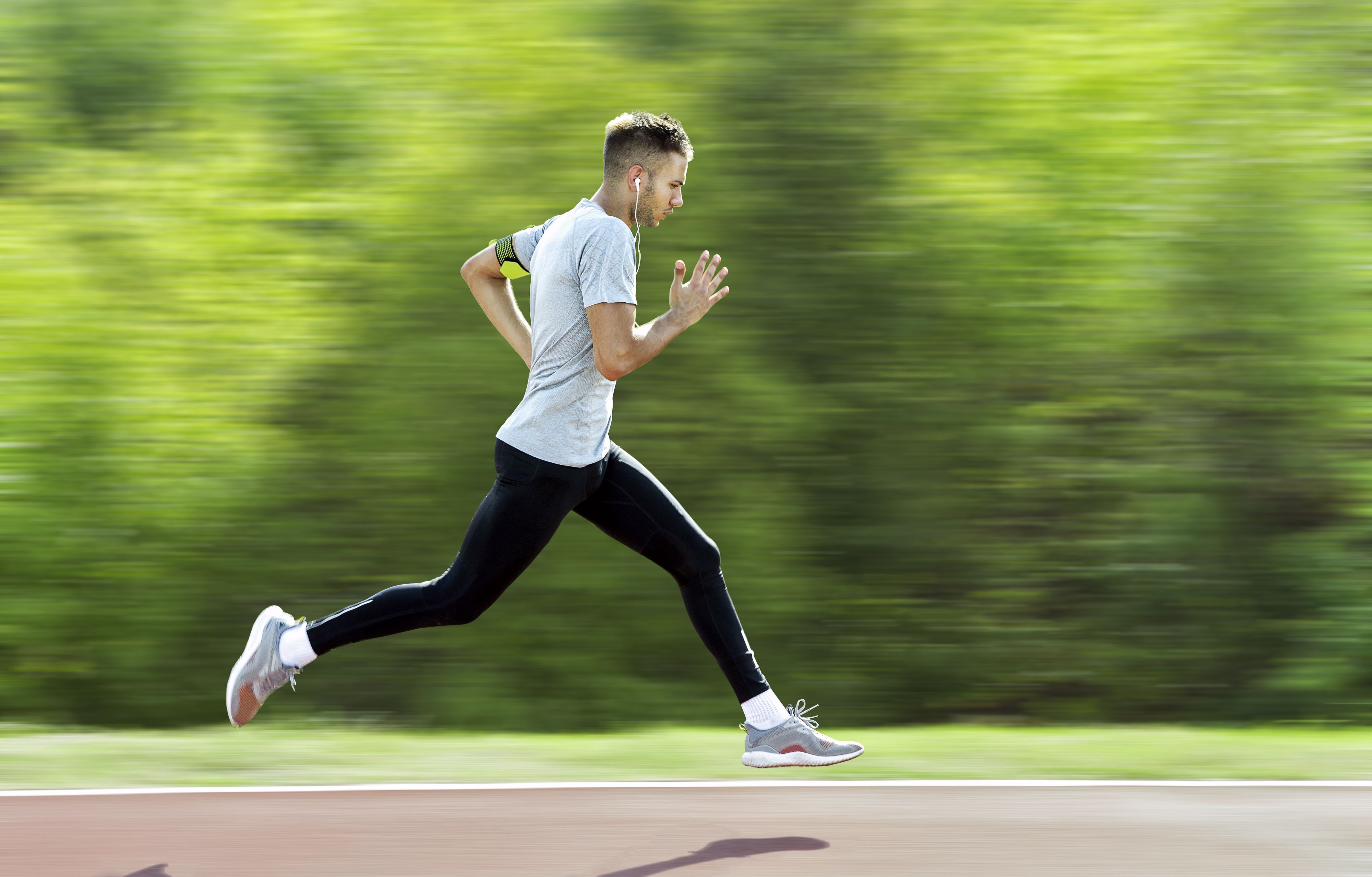
Finding the Right Footwear for Varied Training
So, you're mixing things up! Good for you. Cross-training, split workouts, hybrid routines – they're all fantastic ways to build overall fitness, prevent overuse injuries, and keep things interesting. But are your shoes keeping up? One pair might be great for pounding pavement but terrible for agility drills or lifting weights. Let's talk about how to choose footwear that supports your versatile workout style.
Understanding Your Training Needs
Before diving into specific shoe recommendations, let's break down the kinds of activities that often make up split training and hybrid workouts. This will help you pinpoint what features you need most.
- Running (Road or Trail): Are you doing short sprints, long runs, or tackling uneven terrain?
- Strength Training: Think squats, deadlifts, lunges. Stability and a flat sole are key here.
- Agility/Cross Fit Style Workouts: Box jumps, burpees, lateral movements require responsiveness and good grip.
- Indoor Cycling/Rowing: These often benefit from a stiffer sole for power transfer.
- Walking/Recovery: Comfort and cushioning are the priorities.
Most hybrid training plans will incorporate at least two or three of these, and maybe more. The ideal solution is often having multiple pairs of shoes, but if you're looking for a do-it-all option, you'll need to compromise in certain areas.
Do I need a different shoe for running and weightlifting?
In an ideal world, yes. Running shoes are designed for forward motion and impact absorption. They typically have a cushioned midsole and a flexible upper. Weightlifting shoes, on the other hand, prioritize stability and a solid connection to the ground. They often have a flat, firm sole and a secure heel cup. Using a running shoe for heavy squats can compromise your form and increase your risk of injury, while trying to run in weightlifting shoes would be incredibly uncomfortable and inefficient. If you are doing compound movements then consider a flatter soled, minimal shoe.
Key Features to Look For
Now that we understand the demands of different activities, let's explore the specific shoe features that contribute to performance and comfort.
- Midsole Cushioning: This is the layer between the outsole and the upper. Look for responsive foams like EVA or TPU for running, but something firmer and more stable for lifting. Too much squish under heavy weight is a recipe for disaster.
- Outsole Traction: Consider the surfaces you'll be training on. Road running requires smooth rubber, while trail running demands aggressive lugs for grip. For gym workouts, look for non-marking rubber that provides good traction on various surfaces.
- Upper Material and Fit: A breathable mesh upper will keep your feet cool and dry. Ensure a snug, secure fit that doesn't restrict movement. Pay attention to the heel counter – it should provide good support without causing rubbing.
- Stability Features: Look for features like medial posts or wider platforms if you need extra support to prevent overpronation (excessive inward rolling of the foot).
- Flexibility: While you want stability for lifting, you also need some flexibility for running and agility movements. A shoe that's too stiff will feel restrictive and uncomfortable.
- Drop (Heel-to-Toe Offset): This refers to the difference in height between the heel and the forefoot. Lower drops (4-8mm) are often preferred for weightlifting and Cross Fit, while higher drops (8-12mm) are common in running shoes. Consider your personal preference and running style.
Shoes That Can Handle the Heat (and the Weights)
Here are a few general categories of shoes, and examples of what works for various types of workouts:
- Versatile Trainers: These are designed to handle a variety of activities. They typically have a moderate amount of cushioning, good flexibility, and decent stability. They won't excel in any one area, but they're a good compromise for someone who wants a single shoe for everything. Example: Nike Metcon (good for lifting and some running), Reebok Nano (similar to Metcon), No Bull Trainer (durable and versatile).
- Lightweight Stability Shoes: These offer a bit more support than neutral trainers, making them suitable for runners who need some pronation control. They're also stable enough for light weightlifting. Example: Brooks Adrenaline GTS, ASICS GT-2000.
- Minimalist Shoes: These shoes have a thin sole, minimal cushioning, and a low drop. They promote a more natural running gait and can be great for strength training, especially if you want a good ground feel. However, they're not for everyone – you'll need to gradually transition to them to avoid injury. Example: Vibram Five Fingers, Merrell Vapor Glove.
- Trail Running Shoes: If your hybrid workouts include trail running, you'll need a shoe with aggressive lugs for traction. Look for models with good stability and protection from rocks and roots. Example: Salomon Speedcross, Hoka Speedgoat.
It’s important to try on several different pairs of shoes and see what feels best for your feet and your training style. What works for one person might not work for another.
What is a good all-around shoe for running, Cross Fit, and weightlifting?
This is the million-dollar question! As mentioned above, versatile trainers like the Nike Metcon, Reebok Nano, and No Bull Trainer are popular choices. They offer a decent balance of cushioning, stability, and flexibility. However, keep in mind that they are compromises. They won't be as comfortable for long runs as a dedicated running shoe, and they won't provide the same level of stability as a dedicated weightlifting shoe. Ultimately, the best all-around shoe depends on your individual needs and preferences.
The Importance of Fit and Comfort
No matter how technologically advanced a shoe is, it won't perform well if it doesn't fit properly. Always get your feet measured at a specialty running store. Be sure to try on shoes with the socks you typically wear for training. Walk around, jog in place, and even do a few squats to get a feel for the shoe. Pay attention to any areas of rubbing or pressure.
It’s often best to shop in the afternoon, as your feet tend to swell slightly throughout the day. Don't be afraid to ask questions and seek advice from the store staff. They can help you find the right shoe for your specific needs.
How often should I replace my workout shoes?
A good rule of thumb is to replace your running shoes every 300-500 miles. However, this can vary depending on your weight, running style, and the type of terrain you run on. For shoes used primarily for strength training and other activities, the lifespan may be longer, but it's still important to inspect them regularly for signs of wear and tear. Look for things like worn-down tread, compressed cushioning, and tears in the upper. If your shoes feel less supportive or comfortable than they used to, it's probably time for a new pair.
Listen to Your Body
Ultimately, the best way to choose the right shoes for your split training and hybrid workouts is to listen to your body. Pay attention to how your feet feel during and after your workouts. If you experience any pain or discomfort, try a different shoe or consult with a podiatrist. Don't be afraid to experiment and find what works best for you. And remember, investing in good footwear is an investment in your health and performance.
So, go forth and conquer those workouts, knowing your feet are well-equipped for the challenge. Your body will thank you for it.